Protein is discussed frequently in conversations about ageing, strength and body composition. It is one part of a broader dietary pattern, not a shortcut or a guarantee. For adults over 40, the useful questions are often practical: which foods fit a normal week, how meals are spread across the day, and how nutrition relates to movement and appetite. This guide explores those questions in plain language.
What protein does in the body
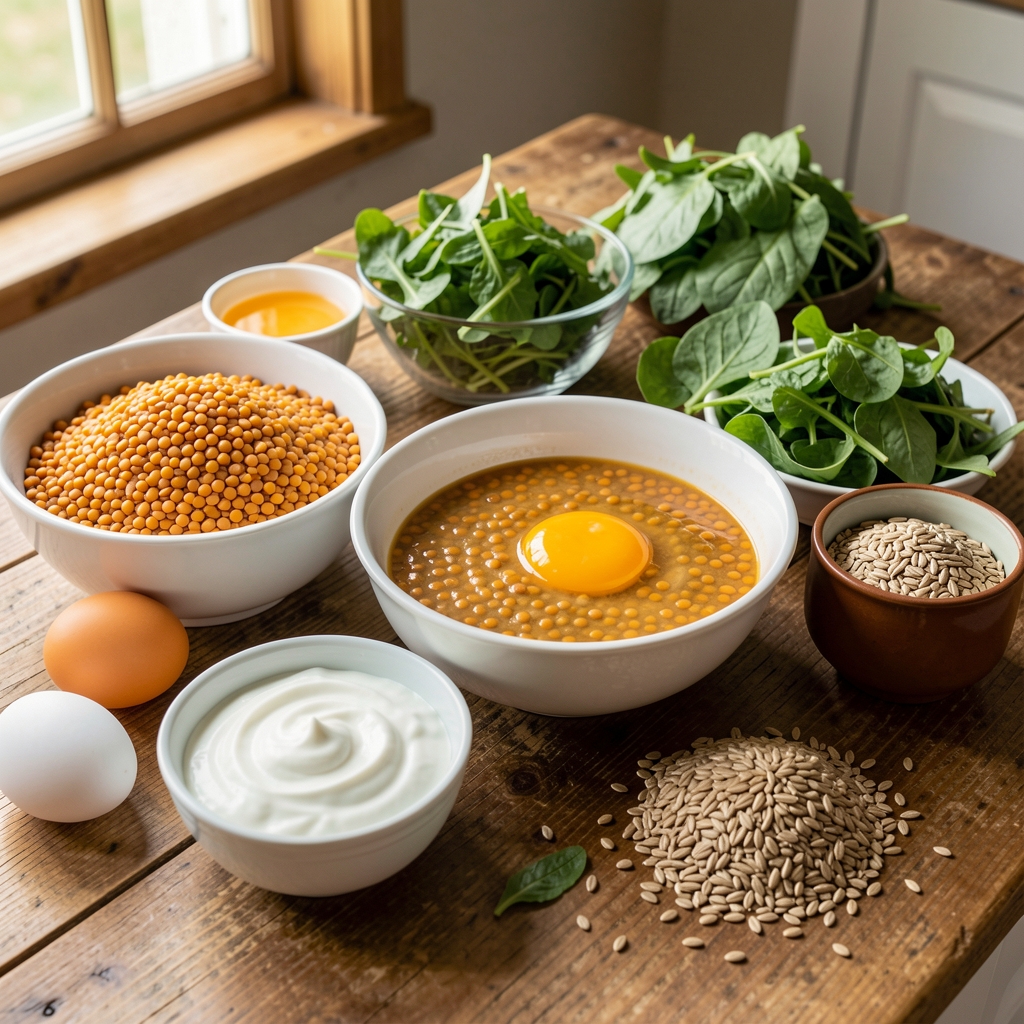
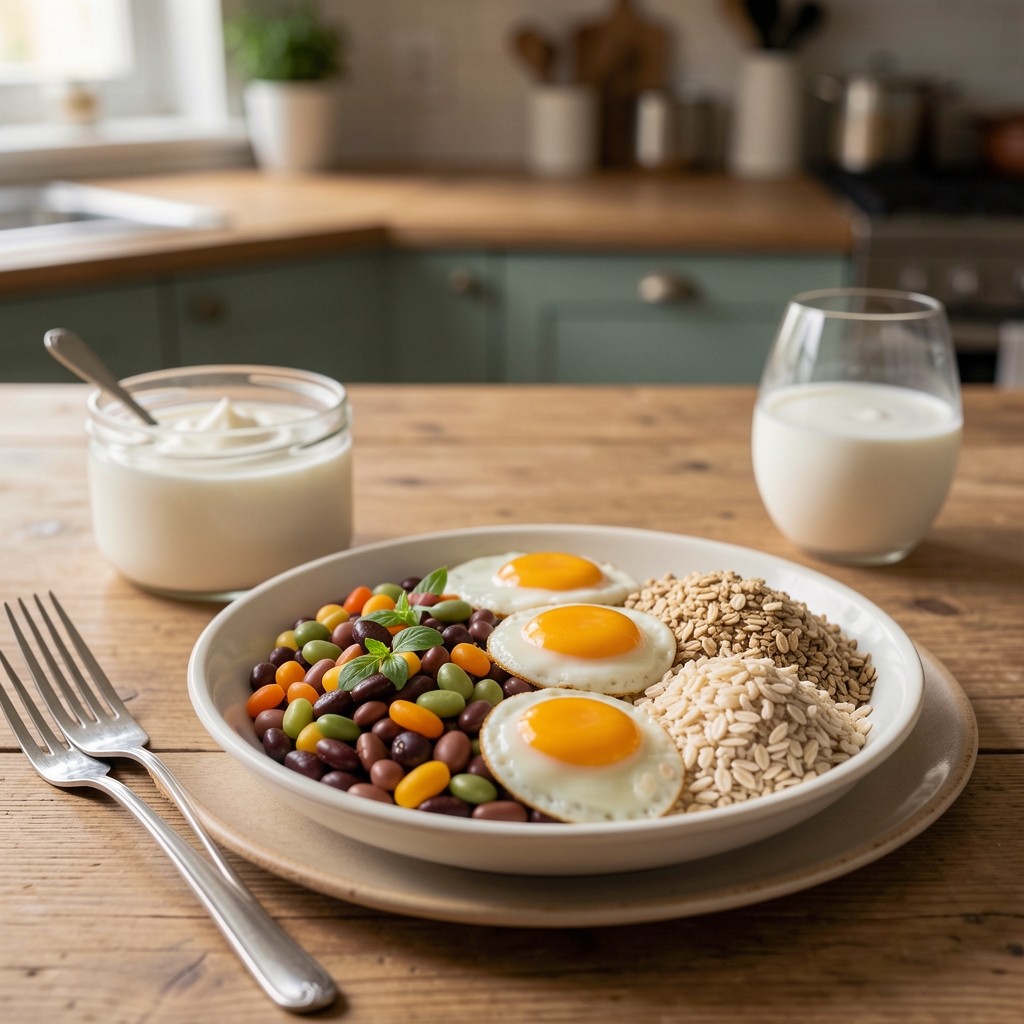
Proteins are made from amino acids and contribute to the structure and function of tissues. Food sources vary in their amino acid profile, fibre content, fat content and convenience. A varied diet can include beans, lentils, fish, eggs, dairy foods, tofu, nuts and other options according to preference and dietary pattern.
Meal pattern and consistency
A meal does not need to be elaborate to provide useful nourishment. Breakfast, lunch and evening meals can each include a meaningful source, while snacks may suit some people and not others. Regularity can make planning easier, especially during weeks shaped by work, travel or family commitments.
Protein and strength activity
Nutrition and resistance activity are often discussed together because muscles respond to both a stimulus and available building materials. Walking, carrying, climbing stairs and structured strength sessions all create different forms of demand. The most sustainable approach is one that fits experience, confidence, time and recovery.
Reading labels with perspective
Packaged foods can be convenient, but a single number on a label does not describe the whole food. Fibre, salt, added sugar, portion size and enjoyment also matter. A broad weekly pattern is usually more informative than making one item carry the entire burden of a dietary goal.
Personal context
Good nutrition advice leaves space for culture, budget, appetite and ordinary life.
People have different dietary needs and preferences. Anyone with a health concern, a restricted diet or a major change in appetite should speak with an appropriate healthcare professional for individual guidance.
Key takeaways
- Protein is one part of an overall dietary pattern.
- Variety can make meals more enjoyable and practical.
- Strength-focused activity and nutrition are related but distinct.
- Labels deserve context rather than a single-number focus.
This article is for informational purposes only and does not constitute medical advice. Always consult your GP or a qualified healthcare professional before making changes to your diet, supplements, or lifestyle. Graltov accepts no responsibility for actions taken without professional medical guidance.
Related reading
Why Body Composition Changes After 40 · Intermittent Fasting After 40